
Get Healthy!
- Posted March 19, 2026
What To Know About Fatty Liver Disease and Why It’s So Common
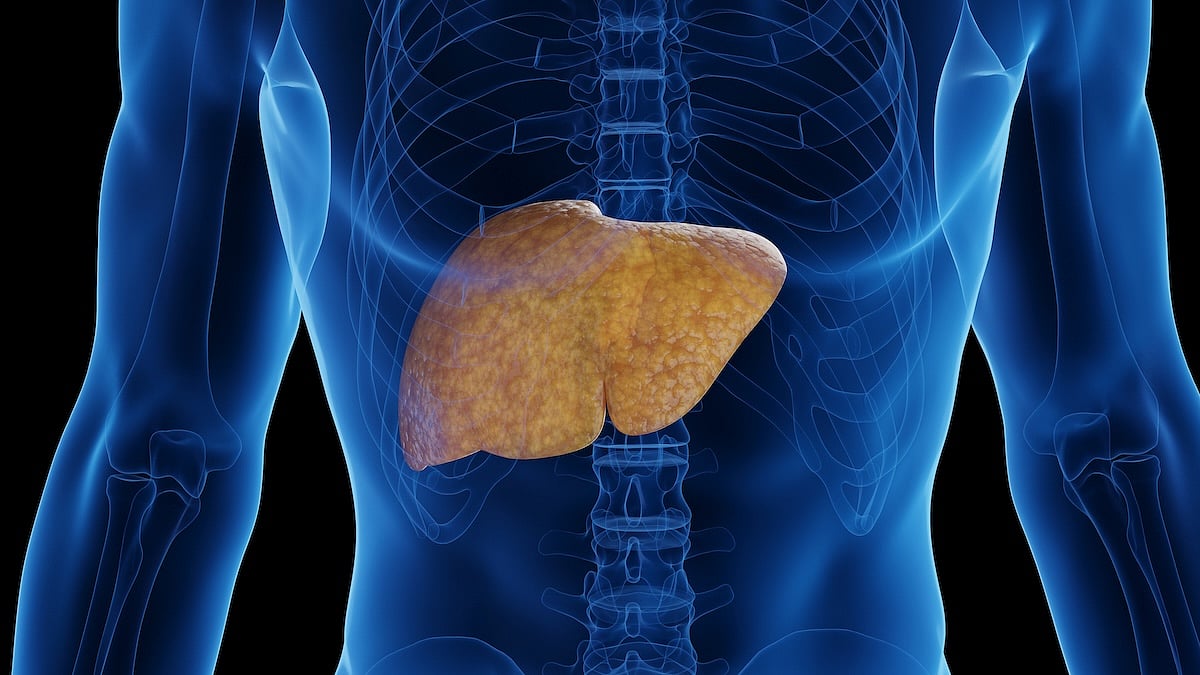
Fatty liver disease is when too much fat builds up in the liver. The liver is the body’s filter. It helps clean your blood, store energy and process nutrients that you eat. If too much fat stays in the liver, it can harm the organ and lead to serious health problems.
New name: MASLD
Doctors used to call this condition NAFLD (non-alcoholic fatty liver disease) because tissues examined under a microscope resembled those of alcohol-associated liver disease, though the patients did not drink alcohol. The new name is MASLD, which stands for Metabolic Dysfunction-Associated Steatotic Liver Disease.
This name better reflects its link to problems like obesity, diabetes, high blood pressure and other metabolic changes.
Some people develop the more serious form, in which the fat is also associated with inflammation and scarring and is called MASH (Metabolic dysfunction-Associated Steatohepatitis).
How common is MASLD in the United States?
MASLD is very common in adults in the United States. Research suggests:
Around one-third of U.S. adults have MASLD today.
Without changes in prevention and treatment, as many as 40% of U.S. adults could have MASLD by 2050.
A more serious form called MASH affects roughly 5% to 6% of adults now -- a percentage that could increase in the future.
Millions of people with MASLD also develop liver scarring (fibrosis) or cirrhosis and are at increased risk for liver cancer.
Possible symptoms
Many people with MASLD do not have symptoms, especially early on. If symptoms occur, they can include:
Feeling very tired
Mild pain or discomfort on the right side of the belly
Feeling weak or unwell
If the disease becomes more serious, symptoms can include:
Swelling of the belly or legs
Yellowing of the skin or eyes (jaundice)
Bruising or bleeding easily
Confusion
Change in stool color
How is it diagnosed?
Doctors diagnose MASLD by looking for fat in the liver and checking for signs of liver stress or damage in patients who are at high-risk for the disease (such as those living with diabetes or obesity).
They will rule out other causes of abnormal liver enzymes such as viral hepatitis. They workup may include:
Blood tests to check liver enzymes and rule out various causes of abnormal liver enzymes
Ultrasound, CT or MRI scans to examine the overall architecture of the liver and to look for signs of more advanced disease
Liver stiffness tests, such as vibration-controlled transient elastography (VCTE) like FibroScan, which helps estimate scarring
In some cases, a liver biopsy if the diagnosis is unclear
Fib-4 score (risk stratification)
Doctors also use a Fib-4 score, a simple calculation based on age and common blood tests (like liver enzymes and platelets). The Fib-4 score helps doctors decide:
Who is at low risk for significant liver scarring
Who needs more tests or follow-up care
A Fib-4 score of less than 1.3 suggests a low risk of significant liver scarring. A higher Fib-4 score means a greater chance of serious liver scarring, which requires referral to a liver specialist for more testing.
Who is at risk?
People are more likely to get MASLD if they have:
Excess weight (are overweight or obese)
High blood pressure
High cholesterol or triglycerides
Insulin resistance or metabolic syndrome
Family history of liver disease
MASLD can affect adults and children.
Treatment options
There is no single cure for MASLD, but many people can improve their liver health.
Lifestyle changes are the first step. These include:
Healthy eating with fewer processed foods and more whole foods
Regular physical activity – 150 minutes per week. Resistance training 2x-3x per week
Losing weight if overweight
Controlling diabetes and cholesterol
Avoiding excess alcohol
Approved medicines for MASH
Two medicines are approved by the U.S. Food and Drug Administration (FDA) for treating MASH with liver scarring (fibrosis; non-cirrhotic):
Rezdiffra (resmetirom)
This was the first medicine approved specifically to treat MASH in adults with moderate to advanced fibrosis. It helps reduce fat and inflammation in the liver.
Wegovy (semaglutide)
Originally used for weight loss, Wegovy is approved to treat MASH in adults with moderate to advanced liver fibrosis when used with diet and exercise. It can help improve liver health and support weight loss.
Both medicines are meant for people with the more serious form of fatty liver disease (MASH), not simple MASLD without scarring.
Why early care matters
In its early stages, MASLD often shows no symptoms, but early detection and lifestyle changes can slow or even reverse liver damage. Regular check-ups with a health care provider, especially for people at risk, help protect liver health and overall well-being.
About the expert
Meena B. Bansal, MD, FAASLD, is the system chief of the Division of Liver Diseases for the Mount Sinai Health System. Dr. Bansal, a Professor of Medicine (liver diseases) at the Icahn School of Medicine, leads the institution’s rapidly growing MASH (metabolic dysfunction-associated steatohepatitis) Center of Excellence, which oversees a growing range of cutting-edge clinical trials and clinical-translational research studies. In addition, Dr. Bansal serves as associate director of the Mount Sinai Institute for Liver Research, which was established in 2025 to advance understanding and treatment of liver disease amid global concerns.


